Best ADHD Fidget Tools for 2026: Focus & Calm Guide
,
by AcuBracelet
12 min reading time
Discover the best ADHD fidget tools for 2026. From discreet wearables to desktop sliders, find the perfect focus tool for work, school, or home.
If you have ever found yourself clicking a pen, twirling your hair, or tapping your foot while trying to concentrate, you already understand the instinct behind ADHD fidget tools. That restless energy is not a flaw. It is your brain searching for just the right amount of stimulation to lock in and focus. This guide is for anyone who wants to channel that energy in a way that feels good, looks natural, and actually helps. We will walk through what makes a fidget tool effective, how to choose one for your specific setting, and why wearable options are quietly changing the game for adults and students alike.
The idea is simpler than it sounds. When your brain is under-stimulated, it starts hunting for input. That hunt can look like distraction, restlessness, or a sudden urge to reorganize your entire desk instead of answering one email. A fidget tool gives your brain a low-stakes side task, something rhythmic and sensory, so the rest of your mind can settle into the main event.
Photo by ha ha on Pexels
Think of it as a volume knob for background noise. The gentle, repetitive motion of rolling a bead or pressing a textured surface helps filter out the mental static. For someone with ADHD, this is not about being fidgety for the sake of it. It is a form of self-regulation, a way to stay grounded when thoughts are bouncing around like pinballs. And here is the reassuring part: you do not need to sit perfectly still to be productive. You just need the right outlet.
The best tool is the one you will actually reach for. That might be a sleek metal slider on your desk. It might be a bracelet you never have to take off. What matters is that it fits seamlessly into your life, not the other way around.
What to Look for in an ADHD Fidget Tool
Not all fidget tools are created equal, and what works beautifully for one person might drive another up the wall. Before you buy, it helps to think through a few key qualities.
Discreetness and Portability
For many adults, the biggest hurdle is not finding a fidget tool. It is feeling comfortable using one in a meeting, a classroom, or a coffee shop. Size, noise level, and appearance all matter here. A loud, clicky gadget might be perfect for your home office but a nonstarter in a shared workspace.
This is where wearable options really shine. A bracelet or ring stays with you all day, ready whenever you need it, without announcing itself to the room. Some of the most effective designs today look like regular jewelry, with subtle textures or beads you can roll between your fingers. No one needs to know you are using a focus tool. They will just see a stylish accessory.
Photo by cottonbro studio on Pexels
Sensory Feedback (Tactile and Auditory)
Everyone has a sensory preference, even if you have never put a name to it. Some people crave a smooth, silent glide. Others need a satisfying click or a squishy resistance. Pay attention to what your hands do when you are deep in thought. Do you rub fabric between your fingers? Tap a surface? Press your thumb into your palm?
That natural movement is your clue. If you seek pressure, look for something with a bit of resistance, like a firm stress ball or a bracelet with a defined acupressure point. If you prefer motion, a spinner or slider might be your match. Silent tools are generally safer for shared spaces, but do not underestimate the value of a louder option when you are working solo or unwinding at home.
Durability and Build Quality
A fidget tool that falls apart after two weeks is more than disappointing. It is one more thing to feel frustrated about. Look for materials that can handle daily use: metal, high-grade silicone, tightly woven fabric, or solid wood. Weight matters too. A tool with a little heft, like a metal slider or a beaded bracelet with some substance, can deliver a grounding sensation that flimsy plastic simply cannot match. Spending a bit more upfront often means you get something that lasts and feels better in your hand every single day.
Top Types of ADHD Fidget Tools for 2026
The world of fidget tools has expanded well beyond the spinner craze of years past. Today, the options are more thoughtful, more attractive, and more tailored to real life.
Wearable fidgets solve the biggest problem with most tools: remembering to bring them. A bracelet or anklet lives on your body, offering a gentle, constant source of tactile input without requiring a free hand or a pocket. You can run your thumb over a textured bead, press into a specific point, or simply enjoy the light pressure against your skin.
What makes this category especially interesting in 2026 is the dual-purpose design. Some acupressure bracelets, for example, provide a subtle fidget point on the wrist while also offering targeted pressure that supports calm and focus. It is a natural, drug-free approach that fits into your day whether you are typing at a desk, sitting in a lecture, or navigating a busy commute. And because so many of these bracelets are designed to look like regular jewelry, you can wear them anywhere without a second thought. A snap anxiety bracelet for stress and focus support can be just as at home with a blazer as it is with a t-shirt.
Desktop and Handheld Fidgets (Sliders, Spinners, and Cubes)
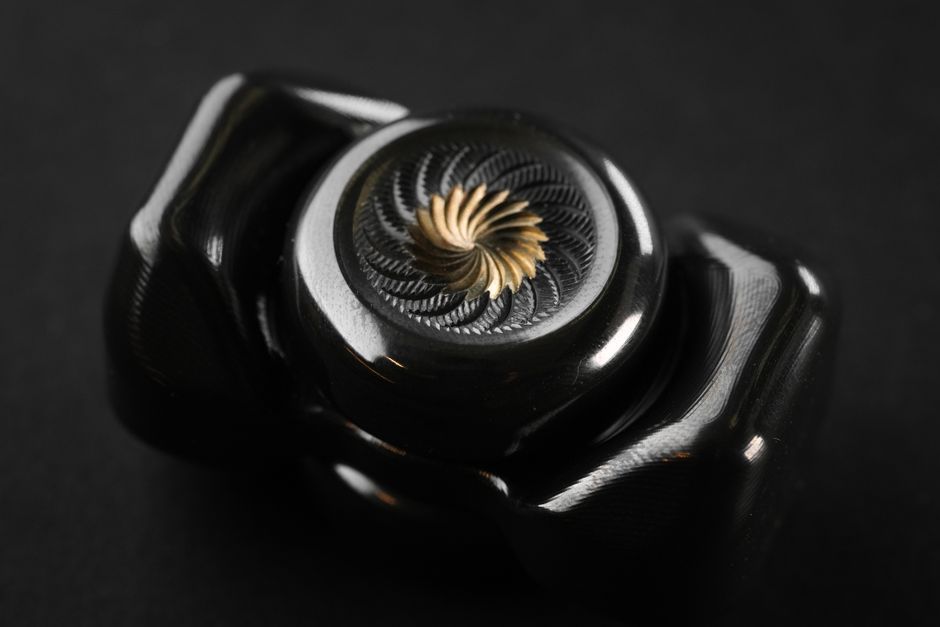
For those who prefer a dedicated tool, handheld options remain a strong choice. Sliders, like the popular ONO roller, offer a smooth, silent motion that feels almost meditative. They are weighty, satisfying, and discreet enough for a desk or a lap during a long call.
Fidget cubes pack multiple sensory experiences into one small package: a clicker, a spinner, a roller, a textured surface. They are great for keeping restless hands busy when you need to listen more than you need to write. The tradeoff is that these tools require a free hand and a place to set them down, so they work best at a desk, in a bag, or on a nightstand.
Sensory Putty and Stress Balls
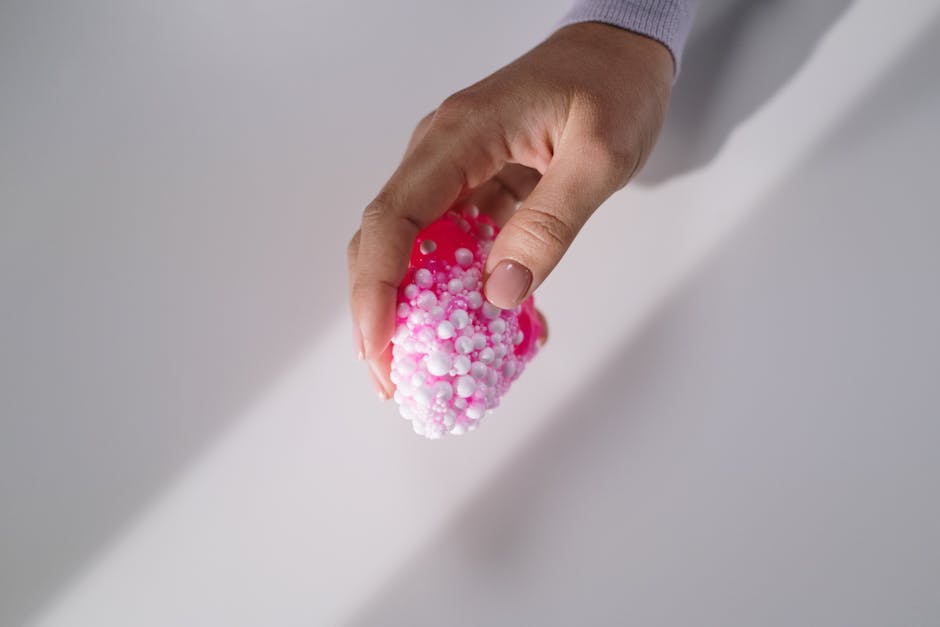
Sometimes you need to squeeze. Sensory putty and stress balls deliver deep pressure input that can be incredibly grounding when your mind feels scattered. They come in a range of resistance levels, from soft and squishy to firm and challenging. The act of pressing, stretching, or kneading can release tension you did not even realize you were holding.
These are wonderful for home use or a private office. They can be a bit messy or require both hands, so they are less ideal for on-the-go moments. But for unwinding after a long day or settling into a focused work session, they are hard to beat.
The Everyday Carry Approach
Not every effective fidget tool comes from a store. Some of the best solutions are objects you already own: a smooth stone, a textured keychain, a pen with a satisfying click, even a guitar pick in your pocket. The everyday carry approach is creative, low-cost, and deeply personal. The key is finding something that feels good in your hand and is always within reach.
This approach works especially well for people who do not want to carry an extra gadget or who enjoy the ritual of choosing a small, meaningful object each morning. It is a reminder that the goal is not the tool itself. It is the calm and focus the tool helps you access.
How to Choose the Right Fidget Tool for Your Setting
Where you plan to use your fidget tool matters just as much as how it feels. A little forethought here can save you from awkward moments and help you get the most out of your choice.
For the Office or Professional Environment
Discretion is everything. You want a tool that helps you focus without pulling focus from anyone else. A metal slider kept in your lap or a simple acupressure bracelet on your wrist is ideal. Avoid anything that clicks, snaps, or lights up. The best office fidget is one that could pass as a piece of jewelry or a desk accessory, something that blends in so well nobody questions it.
A stylish bracelet can be a quiet conversation starter or go completely unnoticed, depending on how you wear it. Either way, you stay in control of the narrative.
For the Classroom or Study Space
Quiet is just as critical here. Students need tools that will not distract neighbors or draw the wrong kind of attention from instructors. A textured ring, a small silent cube, or a bracelet with a subtle rolling bead all work well. Look for something you can use in one hand while the other takes notes or turns pages.
Many teachers and professors are more understanding of fidget tools now than they were a few years ago, but it is still wise to have a discreet option. If your tool looks like jewelry or a simple accessory, it rarely raises eyebrows.
For Relaxation at Home
At home, the rules loosen up. This is your space to experiment with larger, noisier, or more tactile tools. Break out the sensory putty. Use a stress ball that makes a satisfying squelch. Try a weighted lap pad or a textured cushion. Home is also the perfect place to pair a fidget tool with a calming routine: a warm drink, some quiet music, a few minutes of mindful breathing.
Pay attention to what helps you unwind. The tool that gets you through a tense work call might be different from the one that helps you settle into a relaxed evening. Having a few options at home lets you match the tool to the moment.
Making Your Fidget Tool Work for You
Finding the right fidget tool is a bit like finding the right pair of shoes. The first one you try might not be the perfect fit, and that is completely normal. Give yourself permission to experiment.
One thing that helps is rotating between a few different tools. Using the same spinner or bracelet every single day can lead to habituation, where the sensation stops feeling as effective. Swapping in something new keeps your sensory system engaged and responsive. You might keep a bracelet on your wrist for daily use, a slider on your desk for deep work, and a stress ball in your bag for high-tension moments.
Mindfulness also plays a role. Instead of fidgeting on autopilot, try tuning into the sensation. Notice the texture, the temperature, the rhythm of the motion. That small act of attention can amplify the calming effect and pull you more fully into the present moment.
And remember: a fidget tool is a support, not a cure. It works best as part of a broader toolkit for focus and well-being. Pair it with good sleep, movement, hydration, and whatever other strategies help you feel like yourself.
Frequently Asked Questions About ADHD Fidget Tools
Are fidget tools just a distraction?
For most people, no. The right tool provides just enough sensory input to occupy the restless part of the brain, freeing up the rest for the task at hand. It is less like a distraction and more like a background track that helps the main melody shine.
Can I use a fidget tool at work or school?
Absolutely, especially if you choose a discreet, silent option. Many workplaces and schools have become more accommodating as understanding of sensory needs has grown. A wearable option like an anxiety bracelet for stress and focus support is particularly easy to integrate without disruption.
How do I know which type of fidget is best for me?
Start by noticing your natural fidgeting habits. Do you tap, spin, squeeze, or rub? Find a tool that mimics that motion. If you are drawn to pressure, a bracelet with a defined acupressure point or a firm stress ball might feel right. If you crave motion, a slider or spinner could be your match.
Do fidget tools lose their effectiveness over time?
They can, which is why rotation helps. Switching between two or three different tools keeps the sensory experience fresh. Even taking short breaks from your favorite tool can renew its impact when you return to it.
What if I want something that does not look like a fidget toy at all?
That is exactly why wearable options have become so popular. A well-designed bracelet can support focus and calm while looking like a thoughtful accessory. Many people appreciate that a calming bracelet for focus and stress support fits seamlessly into their wardrobe and their life, no explanation needed.