7 Immediate Anxiety Relief Techniques That Actually Work (Backed by Science)
,
by Rebecca Lang
16 min reading time
Your heart is pounding so hard you can feel it in your ears. Your chest feels tight, your thoughts are racing, and you need relief right now. Maybe you are sitting in your car before a big presentation, or lying awake at 2 AM with a mind that will not shut off. If you are searching for fast anxiety relief, you are not alone, and you are in the right place. This article walks you through seven science-backed techniques that work in the moment, drawing on methods recommended by leading institutions like the Mayo Clinic and MD Anderson Cancer Center. No fluff, no complicated jargon, just practical steps you can use today. Let us start with the technique that takes less than 60 seconds.
The #1 Fastest Way to Trigger Your Body’s Anxiety Relief Response
When anxiety hits like a wave, your body needs a physical reset button. The one-minute forward fold is exactly that. Inspired by a technique from Piedmont Healthcare that has been viewed over 1.2 million times, this move is simple enough to do almost anywhere. Stand up and cross your right ankle over your left. Slowly fold forward at the waist, letting your arms and head hang heavy toward the floor. Bend your knees slightly if your hamstrings are tight. Stay here for 60 seconds, breathing slowly and deeply.
The reason this works is physiological, not mystical. Dropping your head below your heart increases blood flow to the brain while the folded position gently stimulates the vagus nerve, a major pathway that runs from your brainstem to your abdomen. When activated, the vagus nerve tells your nervous system to switch from fight-or-flight mode into rest-and-digest mode. In plain terms, this position signals your body that it is safe to relax. It overrides the adrenaline surge with a physical cue that no amount of mental pep talk can match.
Think of this as your emergency button for acute anxiety or the onset of a panic attack. Unlike techniques that require counting, visualizing, or talking yourself down, the forward fold works even when your mind is too overwhelmed to cooperate. It does not ask you to think, only to move. Pair the fold with slow exhales: breathe out for a count of five and in for a count of seven. The extended exhale further activates the parasympathetic nervous system, compounding the calming effect. If you only remember one tool from this article, make it this one.
The 5-4-3-2-1 Grounding Method (Mayo Clinic’s Go-To for Anxiety Relief)
When anxious thoughts pull you out of the present moment, grounding techniques anchor you back in reality. The 5-4-3-2-1 method, recommended by the Mayo Clinic Health System, is one of the most effective sensory grounding exercises available. Here is how it works: pause wherever you are and silently name five things you can see. Look around and really notice them, a lamp, a crack in the ceiling, the color of your shirt. Next, identify four things you can physically feel. The texture of your jeans, the cool surface of a desk, the breeze from a vent on your skin. Then, listen for three things you can hear. A distant conversation, the hum of a refrigerator, your own breathing. After that, find two things you can smell. The scent of coffee lingering in the room, the faint smell of laundry detergent on your sleeve. Finally, identify one thing you can taste. The mint from your toothpaste, the last sip of water, or even just the taste of your own mouth.
This technique works because it hijacks your brain’s panic circuitry. Anxiety lives in the amygdala, the primitive alarm system that does not respond to logic. When you force your brain to process sensory information, you engage the prefrontal cortex, the rational, thinking part of your mind. You cannot be fully in fight-or-flight mode and fully present in your senses at the same time. The 5-4-3-2-1 method essentially crowds out the panic by giving your brain a competing task.
You can do this anywhere without anyone noticing. Stuck in traffic? See the red sedan, feel the steering wheel, hear the engine idle, smell the faint scent of your air freshener, taste the coffee from your travel mug. Standing in a grocery store line? See the magazine covers, feel the basket handle, hear the register beeps, smell the bakery bread, taste the gum you are chewing. Therapists frequently recommend this technique for overthinking spirals because it interrupts rumination without requiring you to argue with your anxious thoughts. You are not trying to convince yourself everything is fine. You are simply redirecting your attention to what is real, right here, right now.
What Is the 3-3-3 Rule for Anxiety? (The Missing Technique)
The 3-3-3 rule for anxiety is a simplified grounding technique that asks you to name three things you can see, three sounds you can hear, and move three body parts. That is the entire method. You might look at a window, a book, and a plant. You might hear a fan, a bird outside, and your own breath. Then you move your ankle in a circle, roll your wrist, and gently tilt your neck from side to side.
This technique is faster and more discreet than the 5-4-3-2-1 method. It requires less sensory input, which makes it ideal for moments when you are alone, in a quiet room, or in a setting where sniffing the air and tasting things would feel awkward. The 3-3-3 rule strips grounding down to its essentials and can be completed in under 30 seconds.
The movement component is especially valuable. Anxiety often causes physical freezing or tension, and deliberately moving three body parts breaks that pattern. It sends a signal to your brain that you are in control of your body, not the other way around. This is also where acupressure bracelets can play a supporting role. Moving your wrists or pressing the acupressure button on a bracelet during the third step doubles as a grounding anchor, giving you a tactile sensation that reinforces the present-moment focus. The gentle, steady pressure on the P6 acupressure point, located on the inner wrist, has been used for centuries to ease tension and nausea, and it pairs naturally with this exercise. Many people find that wearing a designer anxiety bracelet gives them a discreet grounding tool they can activate anytime without drawing attention.
Natural Anxiety Relief Without Medication (14 Strategies from Experts)
For those seeking medication-free approaches, the options are broader than you might think. UnityPoint Health compiled 14 natural strategies for managing anxiety, and they cluster into five high-impact categories worth knowing.
Breathing techniques sit at the top of the list. Diaphragmatic breathing, where you breathe deeply into your belly rather than shallowly into your chest, lowers cortisol and heart rate within minutes. Movement is equally powerful. A brisk 30-minute walk, a session of yoga, or even five minutes of stretching releases endorphins and burns off the excess energy that anxiety generates. Diet matters too. The gut-brain connection is real, and what you eat directly affects your mood. Social connection rounds out the core strategies. Calling a friend, sitting with a partner, or even just being around other people can interrupt the isolation that anxiety thrives on.
Home remedies also have a place in the natural toolkit. The People Also Ask data from search results highlights several evidence-backed options. Magnesium, found in leafy greens, nuts, and supplements, helps regulate the nervous system and can ease muscle tension. Chamomile tea has mild sedative properties and a long history of use for calming nerves. Kava kava, a plant native to the Pacific Islands, has shown promise in clinical studies for reducing anxiety symptoms. However, kava can interact with medications and affect liver function, so consult your doctor before trying it. These remedies are supportive, not curative, and they work best alongside other techniques.
Anxiety relief products have gained significant attention as natural aids, and the interest is reflected in related searches. Weighted blankets provide deep pressure stimulation that mimics the feeling of being held, which can lower heart rate and promote calm. Fidget tools give restless hands something to do, redirecting nervous energy. Acupressure bracelets offer a wearable option that applies constant, gentle pressure to specific points on the wrist. The snap anxiety bracelet for stress and focus support is one example of a product designed to provide that tactile grounding throughout the day. These are not replacements for professional treatment, but they can be valuable additions to a broader anxiety management plan.
For quick reference, here is a breakdown by need.
For immediate relief: Deep breathing or the forward fold. For daily prevention: A 30-minute walk or yoga session. For sleep support: A magnesium supplement or chamomile tea before bed. For on-the-go calm: An acupressure bracelet or fidget tool. For long-term resilience: Regular social connection and a balanced diet.
How to Reduce Anxiety Immediately at Home (Your Personal Toolkit)
When anxiety strikes at home, you have the advantage of your own space and resources. Building a personal anxiety first-aid kit means you never have to scramble for tools in the moment. Gather a few key items: a cold pack or ice cube, a small bottle of lavender or clary sage essential oil, a notebook and pen, and an acupressure bracelet. Keep them in a drawer, on your nightstand, or in the bathroom where you can access them quickly.
Here is a five-minute home protocol you can follow when anxiety spikes. Step one: splash cold water on your face or hold a cold pack against your cheeks and forehead for 30 seconds. This triggers the mammalian dive reflex, which slows your heart rate and forces your nervous system to downshift. Step two: put on your acupressure bracelet and press the button on the inner wrist for about 10 seconds on each side. Step three: do 10 slow, deep breaths, counting to five on the exhale and four on the inhale. Step four: write down one worry on paper. Getting it out of your head and onto the page shrinks it. Step five: move your body. Do 20 jumping jacks, stretch your arms overhead, or walk up and down a flight of stairs. Movement metabolizes the stress hormones already circulating in your bloodstream.
It is important to distinguish between general anxiety and a panic attack, since the approach differs slightly. Panic attacks peak within minutes and often include chest pain, shortness of breath, dizziness, and a sense of doom. If you are experiencing a panic attack, start with the cold water and grounding steps first. Do not jump straight into exercise, as a racing heart can feel frightening. Focus on the 3-3-3 rule and slow breathing until the peak passes, then gently move your body to release the residual tension. The lavender-scented sleep and anxiety bracelet combines aromatherapy with acupressure, offering a dual approach that can be especially soothing during nighttime anxiety or panic episodes.
Foods That Reduce Anxiety Fast (And What to Avoid)
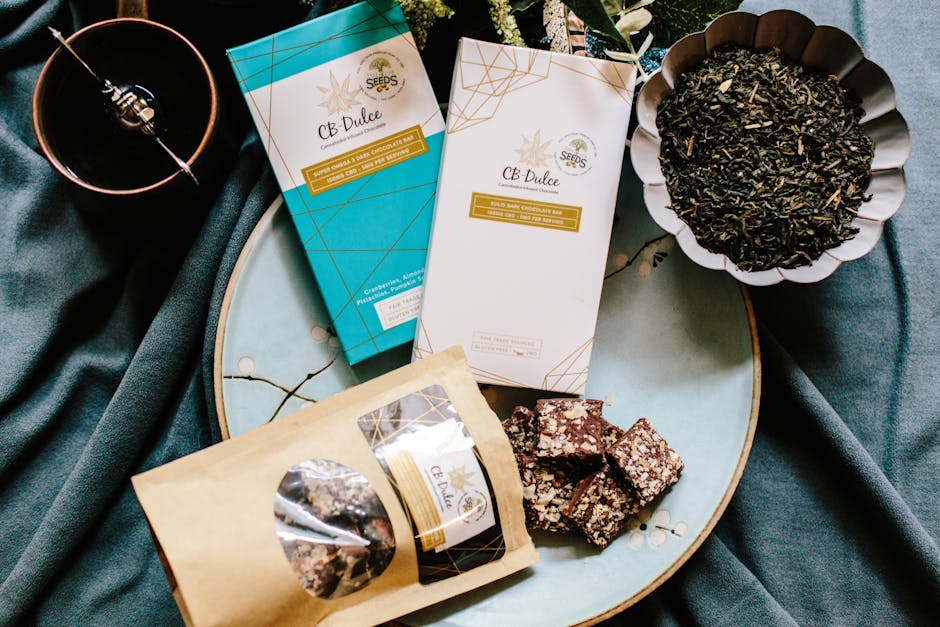
What you eat affects how you feel, and some foods work faster than others. Dark chocolate is one of the quickest options. It contains magnesium and flavonoids that can lower cortisol within about 30 minutes of eating a small square. Salmon and other fatty fish are rich in omega-3 fatty acids, which reduce inflammation in the brain and support mood regulation over time. Chamomile tea has mild anxiolytic effects and a warm cup can be calming within 15 to 20 minutes. Yogurt and other fermented foods feed the gut microbiome, and emerging research shows that a healthy gut sends calming signals to the brain via the vagus nerve. Almonds pack vitamin E and magnesium, both of which support nervous system function.
Set realistic expectations here. Some foods, like dark chocolate and chamomile tea, can take the edge off relatively quickly. Others, like probiotics from yogurt or omega-3s from fish, build resilience over days and weeks of consistent consumption. Neither replaces breathing exercises or grounding techniques for immediate relief, but they create a biological environment where anxiety has less room to take hold.
What you avoid matters just as much. Caffeine is a well-known anxiety amplifier. It blocks adenosine, a neurotransmitter that promotes calm, and can mimic the physical sensations of anxiety, jitters, racing heart, restlessness. The Mental Health Commission of Canada specifically flags caffeine avoidance as a key anxiety management strategy. Alcohol might feel relaxing in the moment, but it disrupts sleep and can cause rebound anxiety the next day. High-sugar snacks spike blood glucose and trigger a cortisol response when levels crash. Processed foods with artificial additives and preservatives may contribute to inflammation, which is increasingly linked to mood disorders.
For a simple anxiety-relief snack plate, try a handful of almonds, a few dark chocolate chips, and a warm cup of chamomile tea. It is easy to prepare, evidence-backed, and far more effective than reaching for sugary comfort food when stress hits.
When to Seek Professional Help for Anxiety
Natural techniques and products are powerful tools, but they are not a substitute for clinical treatment when anxiety becomes unmanageable. The Mayo Clinic is clear on this point: the two main evidence-based treatments for anxiety disorders are psychotherapy, particularly cognitive behavioral therapy or CBT, and medication, often used in combination. There is no shame in needing more support than self-help can provide.
Certain signs indicate it is time to reach out to a professional. If your anxiety persists most days for more than two weeks, if you are having panic attacks multiple times per week, if anxiety is interfering with your ability to work, maintain relationships, or leave your house, those are clear signals. Thoughts of self-harm or suicide require immediate attention. Call or text 988, the Suicide and Crisis Lifeline, for 24-hour support.
Digital tools and apps can complement professional care. Apps like Calm and Headspace offer guided meditations, breathing exercises, and sleep stories that reinforce the techniques discussed in this article. They are not replacements for therapy, but they can bridge the gap between sessions and help you build a daily practice. Using natural methods like acupressure, breathing, and grounding is a great first step. If they are not enough, a therapist can help you build a full toolkit tailored to your specific needs. Seeking help is not a failure. It is an informed, courageous decision to take your mental health seriously.
Conclusion
Anxiety relief is not one-size-fits-all, and the best approach is the one that works for you in the moment you need it. The one-minute forward fold gives you a physical reset when your nervous system is overwhelmed. The 5-4-3-2-1 grounding method pulls your brain out of panic and into the present. The 3-3-3 rule offers a faster, simpler alternative you can use anywhere. Natural remedies like magnesium, chamomile, and acupressure products provide ongoing support between episodes. A home toolkit with cold water, aromatherapy, and movement prepares you for anxiety before it arrives. Anxiety-reducing foods like dark chocolate and salmon nourish your brain from the inside out, while avoiding caffeine and sugar keeps triggers in check. Professional help is always available when self-management is not enough.
Try two or three of these techniques this week and see what sticks. Pay attention to how your body responds. Some people swear by the forward fold. Others find that the 3-3-3 rule paired with an acupressure bracelet becomes their go-to combination. For daily support, consider adding an acupressure bracelet to your routine. It is a gentle, drug-free way to stay grounded between exercises. Explore our full collection to find the style and features that fit your life.